Everyone has made a purchase they later regretted. It happens time and time again.
The desk that bows under the weight of 24-7 gaming equipment. The inexpensive bookshelf sags in the middle. And, like clockwork, the digital screen on the bargain washer fails without a warranty to protect it. Suddenly, the money saved upfront does not feel like savings anymore. It feels like a deposit toward buying new furniture twice.
While you aren’t evaluating bookshelves or washers, the stakes are higher. Church logistics decisions carry that same risk. Experience has taught us that church leaders like you worry about wasting money on low-quality church furniture.
When your church invests in new seating, you are not simply choosing chairs. You steward donated funds, plan for years of ministry, and make a decision the congregation will live with every week. You know that the right chair should support worship services, fellowship meals, youth events, weddings, funerals, classroom use, setup, takedown, and storage without creating problems a few years later.
That is why the better question is not, “Which church chair costs the least today?”
The better question is, “How do we choose church chairs that we still feel good about years from now?”
Things Get Real
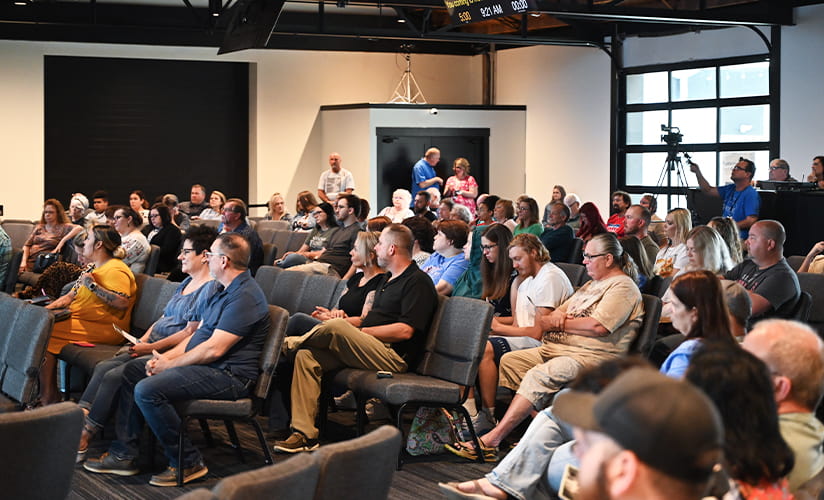
Church chairs don’t get a gentle break-in period. Other high-traffic venues like hotels and conference centers rotate furniture. For churches, you use the same chair every week.
As soon as you unload them off the truck, and pull off the wrapping from the shipping, you line them up in your sanctuary. Things are about to get real. They get thrown into a life of ministry.
They’re expected to be ready for anything.
- Monday: The quilting group meets in the fellowship hall and lines up the chairs next to the quilting frames.
- Tuesday: Bible study rearranges the room into smaller circles.
- Wednesday: Youth group drags every chair across the gym floor to make room for an aerobics class.
- Thursday: Volunteers stack them against the wall in preparation for a community blood drive.
- Friday: The fellowship hall requires every table and chair on hand to transform for a wedding rehearsal.
- Saturday: A funeral luncheon welcomes grieving families armed with potluck dishes.
- Sunday: Hundreds of people worship, chat, spill coffee, lean back, scoot forward, and stack the chairs all over again.
That’s ministry.
Not every church needs the toughest chair on the market. But your church should invest in furniture built to withstand the life it’s actually going to live. If you need chairs that will withstand years of daily use from toddlers, active children, teenagers, adults, and still hold up for the senior members, you need something more.
That One Chair
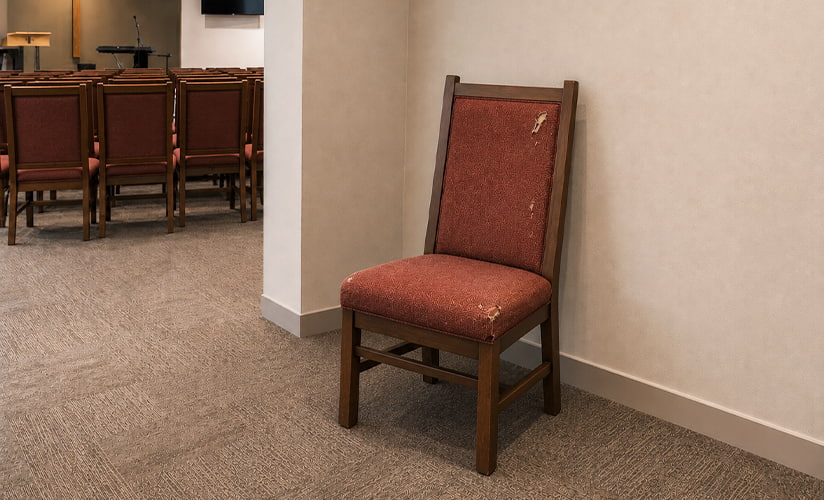
Every church has one. That one chair that nobody wants to sit in. A dark brown stain bleeds across the seat cushion and repels anyone who wants to sit in it. The chair legs wobble, causing it to be shoved to the bottom of the stack. Often, it shows up at the most inconvenient times. Right in the middle of the Christmas dinner, Mrs. Kravitz leans too heavily on one side of “that chair” to whisper to Gladys. While she talks about how the rolls taste much better than last year, the chair’s legs buckle beneath her. She grunts as she lands, ungracefully, on her back in the middle of the fellowship hall. Thank goodness she chose a pant suit tonight! One of the men at the table next to her pulls her to her feet, and she rubs at the sore spot where her hips crushed the chair arm. Instead of tossing the pieces, they gather them and throw them in the corner with a little red zip tie to it to make it obvious. Surely, the person will realize that this is the “one chair.”
The True Source of Regret
Once you have a stack of “one chairs” piled in the corner, it’s time to invest in something different. How do you choose church chairs that avoid another bad buying decision?
First, take the price out of the equation. (Seriously! Stay with me!) While it’s certainly part of the decision, it’s not the first priority. Take a look at the chair’s lifespan first. Consider how stacking, moving, teaching, eating, and rough handling impact the life of the chair. Don’t ignore the warranty. Picture how it will serve your congregation for more than five minutes. Then, after all that research, add the price tag back into the mix.
Good stewardship isn’t measured by the amount you spend today. It’s measured by how much you must spend tomorrow to correct today’s ministry decisions.
Quality Craftsmanship Should Deliver

What Problems Will Quality Church Furniture Help Us Avoid in Five Years?
Most church leaders are not furniture engineers. You probably cannot look at a chair and immediately judge the quality of a weld, the density of the foam, or the durability of the fabric.
But you are an incredible problem-solver.
Problem: The Warranty Ends Before the Chair Does and You Cannot Get Help
A short warranty should make you pause. Companies do not accidentally offer long warranties. A warranty gives one of the clearest windows into how much confidence a manufacturer has in its own product. The manufacturer is saying, in writing, that the chair should continue serving your congregation for years.
The purchase does not end when the chairs arrive. At some point, you may have questions about care, replacement parts, warranty coverage, or future orders.
Choose a manufacturer with a strong reputation and a history of supporting churches after the sale. Good service makes the difference between a small issue and a frustrating problem.
Problem: The Frame Doesn’t Hold Up
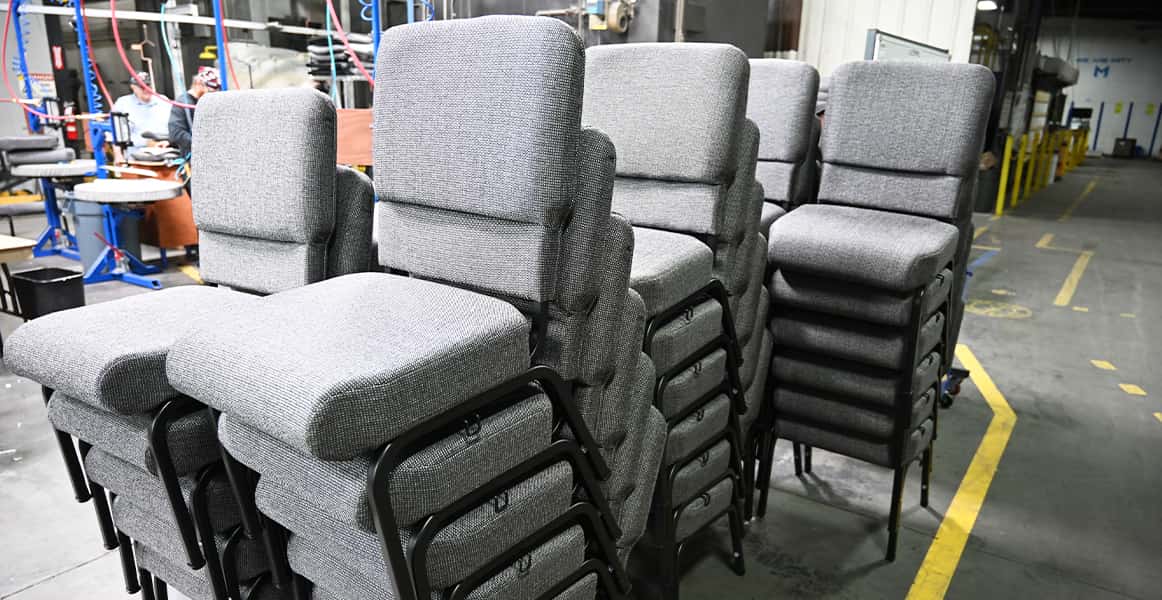
Chairs are constantly on the move. Volunteers stack them, store them, drag them into classrooms, move them into fellowship halls, and set them up again. A weak frame may not show problems right away. But over time, loose joints, bent legs, or broken welds turn one chair into “the chair nobody wants to sit in.”
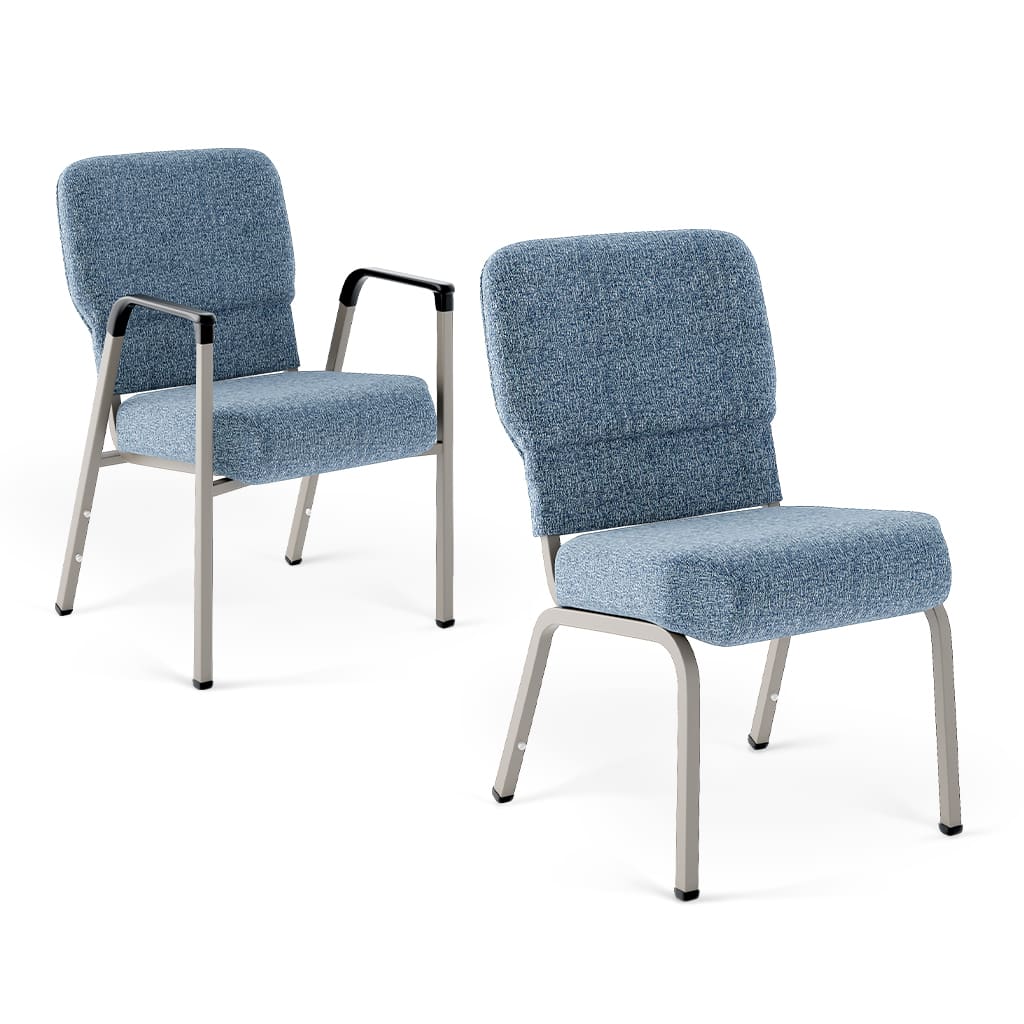
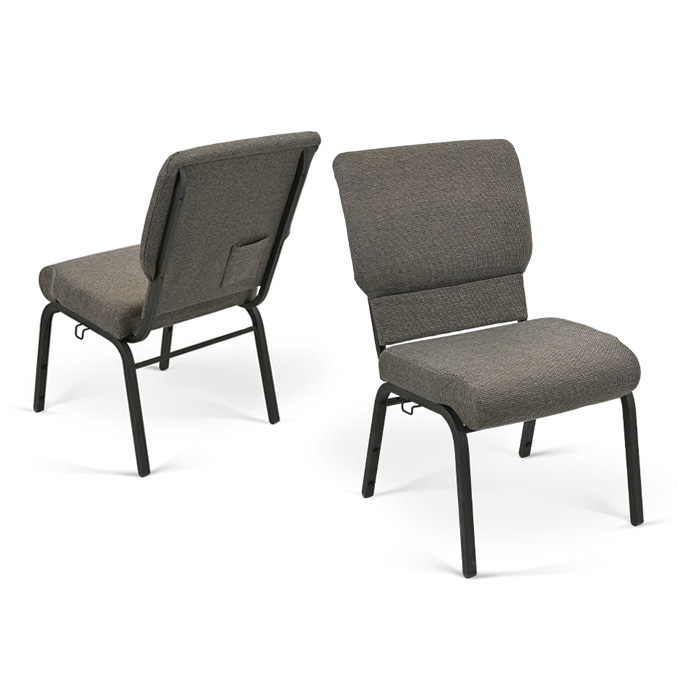
Look for a strong steel frame built for frequent use, stacking, moving, and rearranging. Even though most people never look beneath the upholstery, a durable powder-coated finish helps protect the frame from scratches and chips during regular church use. It keeps the chair looking cared for, even after years of setup and takedown.
Problem: The Fabric Fades and the Seat Flattens Out
People spill drinks, scoot across seats, stack chairs, and use the same furniture week after week. Durable upholstery helps chairs stay presentable longer. Look for commercial-grade fabrics with a high double-rub rating, an industry measure of resistance to everyday wear. Water-resistant performance finishes also help protect the fabric from the inevitable spills or mishaps.
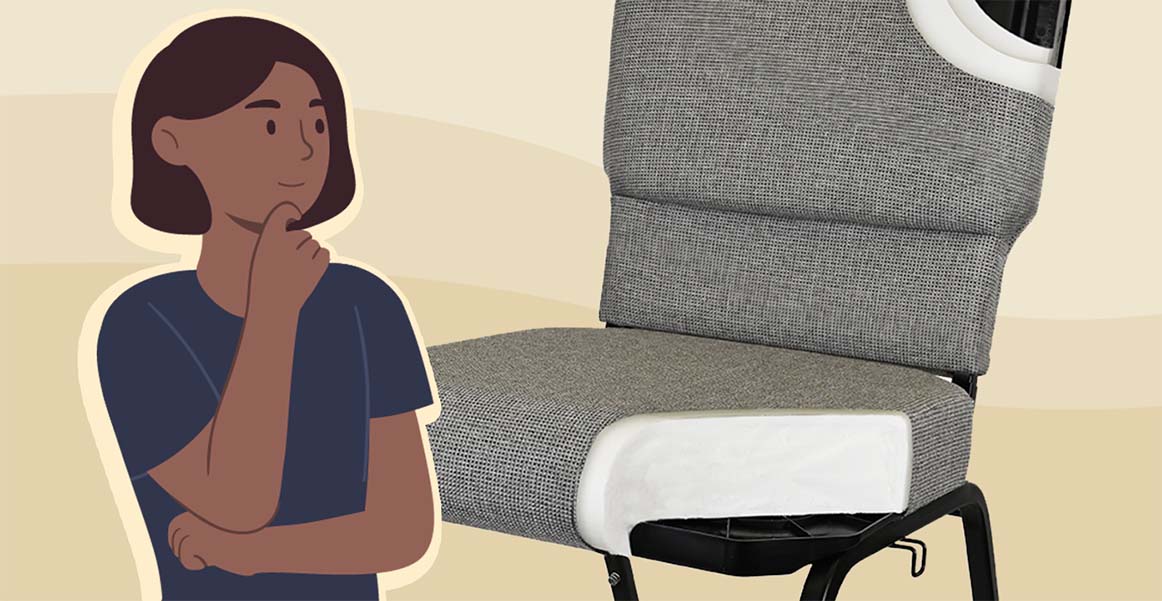
Cheap foam flattens a few years into the ministry. Once foam compresses, the chair loses support, comfort, and shape. High-density foam helps the seat hold up through worship services, Bible studies, youth events, and fellowship meals. Good foam simply keeps people comfortable.
Five Years from Now
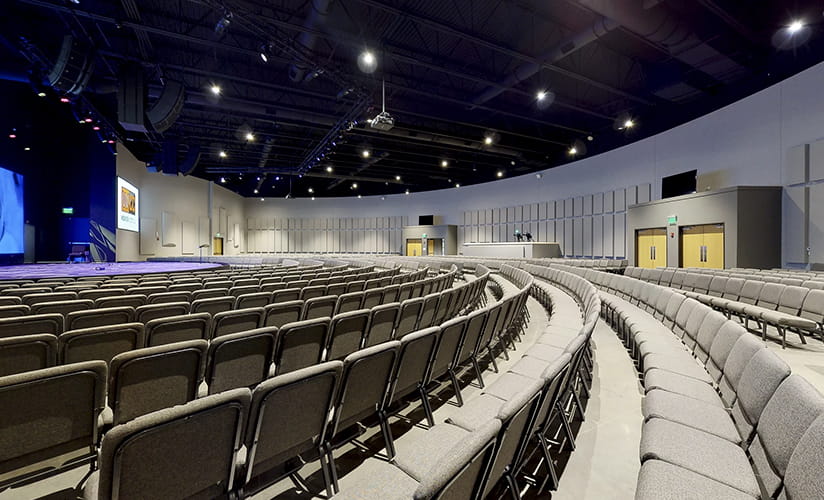
Five years down the road, the goal is to ask you about your chairs, and you shrug your shoulders. Nothing to report! Miss Amy used the chairs for a weekly children’s class, and though there was a run-in with soggy animal crackers, the fabric cleaned easily and left no damage at all. Your worship service volunteers have set up the chairs each week and stacked them on storage carts afterwards. Even with the rough handling of teenagers helpers, so far, no dings, scratches, or marks on any of the legs. You’ve hosted funerals, weddings, and community events for all age groups in your fellowship hall, usually accompanied by juice, coffee, and light snacks.
As you evaluate your options now, know that every engineering feature prevents a future headache for you.
How Do You Choose Church Chairs That Will Make You Proud?
The best church furniture rarely becomes a topic of conversation unless you have a problem. The chairs support your ministry and community events without demanding constant repairs, replacement, or attention. Years later, they’re a glowing example of good stewardship.
Good church furniture rarely earns compliments. It gains something better: years of faithful service without becoming another problem to solve.
Years from now, when your congregation is still gathering in the same chairs, what decision will you be glad you made today?