Church pews have been a traditional choice for worship spaces for centuries, but today’s churches have more seating options than ever. Compare church pews and chairs to find the right fit for your congregation, space, and budget.
What Is a Church Pew and How Is It Used?
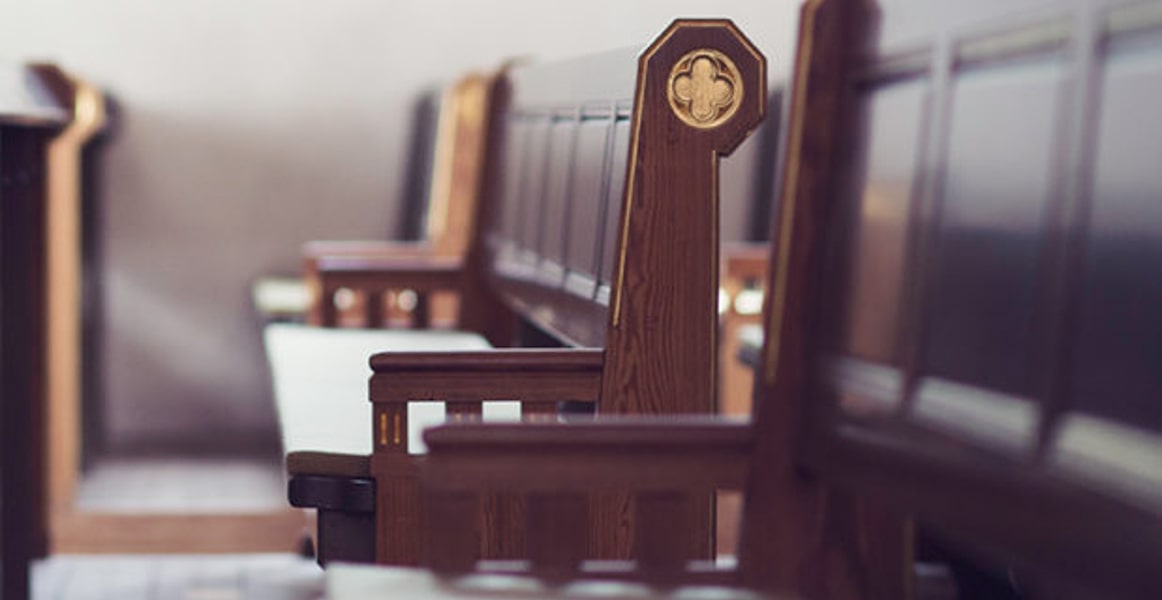
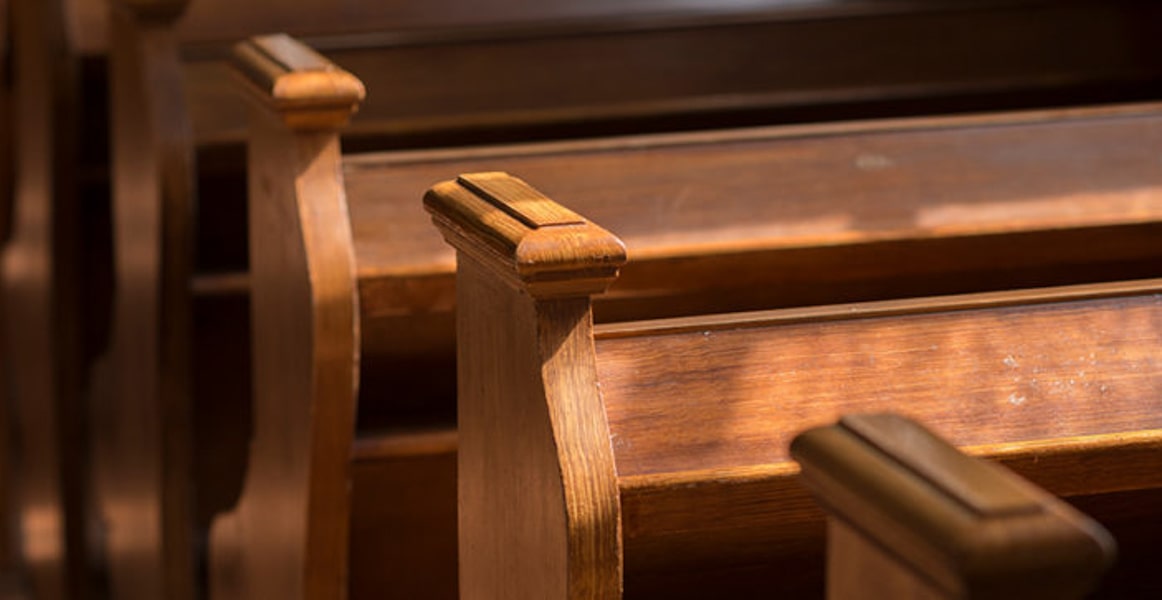
What is a church pew? A church pew is a fixed bench with back support that provides seating for the congregation during a worship service. Although pews weren’t used before the 1500s, they eventually became the traditional choice for seating in many churches and synagogues. Before pews became common, congregations often stood during services, with a limited number of benches available for those who couldn’t stand.
As time progressed, churches and synagogues began seating worshippers on long wooden benches, or pews, arranged in neat rows with aisles providing access throughout the sanctuary. Even today, builders customize church pews to fit individual worship spaces. Traditional pews are usually made of wood and fixed to the floor, and some include cushions or upholstery for added comfort.
What people love about church pews
- Traditional style for churches
- Can be refinished over the years
- Nice for families with young children
Pros of church pews
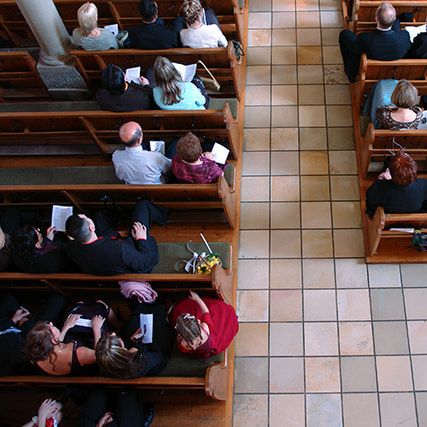
Churchgoers often appreciate pews for their classic appearance and connection to tradition. Historic churches may feature elaborate pews or box pews with detailed carvings and craftsmanship that have endured for centuries.
For some congregations, pew seating also carries a sense of familiarity. Pews can feel spacious and give families with young children room to sit together. However, people often leave more space between groups when sitting in pews, which reduces overall seating capacity compared to individual chairs. Well-made wooden pews can also have a long lifespan because they can be sanded, refinished, and restored over time.
Cons of church pews
Pews can also have several disadvantages. To begin, church pews often cost more than church chairs. Basic wood pews can cost 200% more than church chairs, especially when you factor in customization and installation. Traditional wood pews may also be less comfortable for long periods of sitting, although adding cushions or upholstery can help.
Because pews are typically fixed in place, they offer limited flexibility for churches that use their worship space for different meetings, events, or activities. Fixed pews can also make cleaning and refinishing hardwood floors more difficult. While wood offers a timeless look, pews may provide fewer options for colors, fabrics, and designs than individual chairs.
Accessibility is another important consideration. Churches with fixed pew seating need to provide appropriate spaces for people who use wheelchairs or other mobility devices, which may require customized pews or modifications to an existing layout.
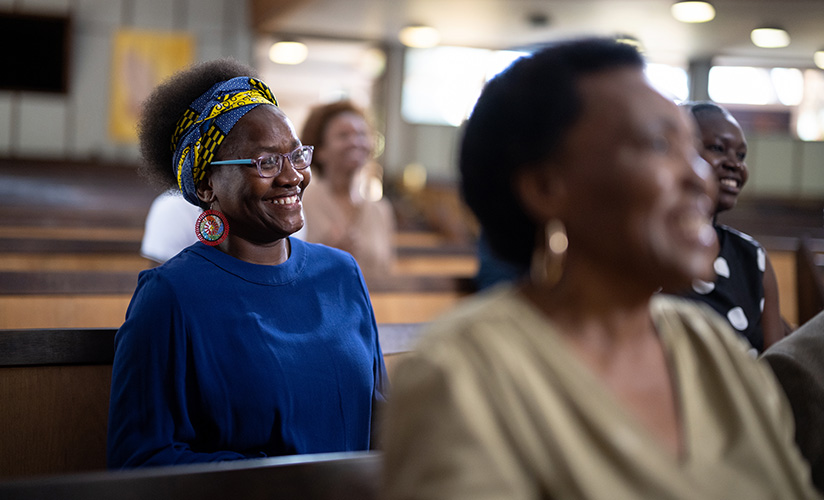
Installation and remodeling present additional challenges. Because many pews are fixed in place and secured to the floor, professional installation may be required, and removing or relocating them during a church remodel adds time and expense. Pew seating also uses available floor space less efficiently because congregants naturally leave varying amounts of space between individuals and groups.
For these reasons, some existing churches tend to replace older pews with more comfortable and flexible seating options. Many churches today furnish their worship spaces with rows of individual padded chairs. Comfortable, stackable chairs can provide greater flexibility than permanent wooden pews, especially in multipurpose worship spaces.
Will church pews or chairs provide the best seating option for your church? The answer depends on your congregation, how you use your space, and your priorities. Consider factors such as portability, comfort, style, cost, maintenance, accessibility, and flexibility. Some churches even use a combination of seating types, such as pews or benches in a balcony and individual chairs on the main level.
Why Get Church Chairs
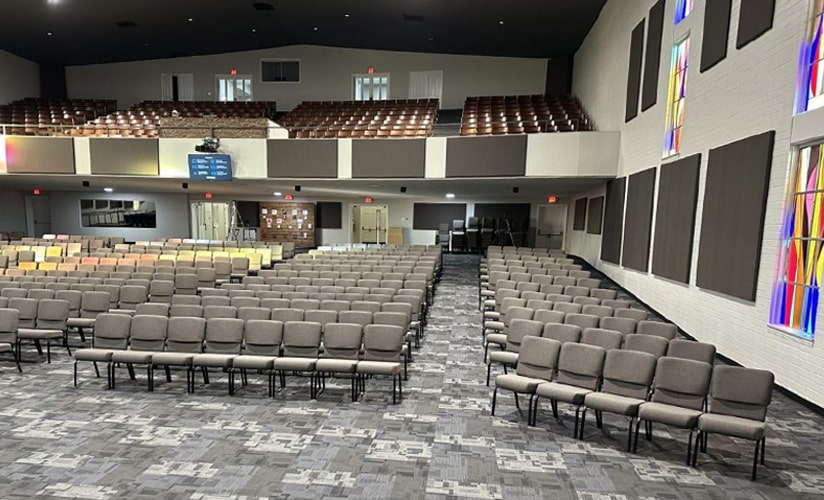
Many churches choose stackable chairs with metal or wood frames and upholstered seats and backs. Unlike fixed pews, church chairs are typically designed to move throughout the worship space rather than being secured to the floor. Fixed theater-style seating is an exception.
What people love about church chairs:
- Rearrange easily for multipurpose areas
- Cost less than church pews
- Provide padded, comfortable seating
- Stackable and lightweight
- Make it easier to create accessible seating arrangements
Pros of church chairs
Unlike traditional pews, church chairs can be moved, stacked, and stored to create more space or reconfigure a room. Congregations value this flexibility, especially when they use the same space for worship services, concerts, children’s programs, meetings, and other events throughout the week. Additionally, church chairs often cost less than pews, particularly when pews must be customized and installed to fit the space.
Padded and upholstered church chairs can also provide comfortable seating for longer services and events. Some chairs offer optional armrests for additional support when sitting down or standing up. Individual chairs may also help churches use available floor space more efficiently and make it easier to incorporate spaces for people who use wheelchairs or other mobility devices.
Cons of church chairs
For some congregations, flexibility comes at the expense of tradition. Churchgoers may prefer the handcrafted appearance and familiar look and feel of traditional wooden pews, particularly in historic or traditional worship spaces. Church chairs may also have a shorter service life than well-maintained hardwood pews, which can be refinished and restored over many years.
Choosing Between Church Pews and Chairs
Ultimately, the right seating depends on your congregation, worship space, budget, and how you plan to use the room. Traditional wooden pews offer a classic look and long service life, and cushions or upholstery can provide additional comfort.
Church chairs offer greater flexibility, particularly for churches that use their sanctuary or worship space for meetings, events, and other activities throughout the week. They often cost less than custom pews and can be rearranged to accommodate different seating configurations and accessibility needs. Padded church chairs can also provide comfortable, supportive seating for a wide range of congregants.
When comparing church pews and chairs, consider what matters most to your congregation today as well as how your worship space may need to serve you in the future.