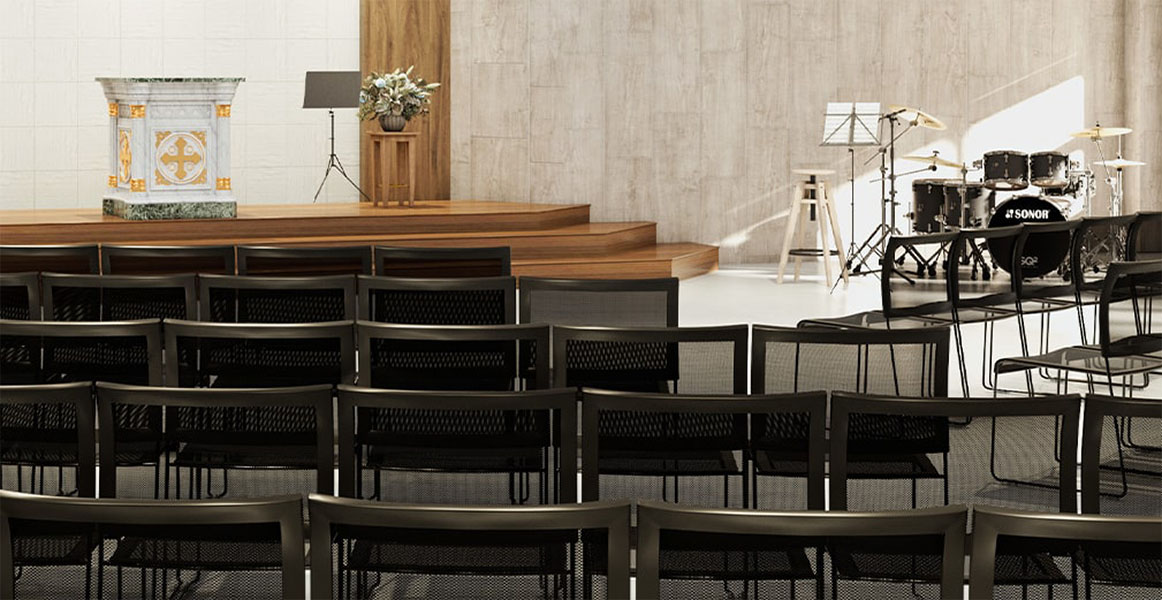
People seek desperately for places where they feel known and where they experience genuine connections.
Let’s be honest. The rhythm of everyday life has narrowed into a pattern of remote work, overpacked schedules, digital obsession, menial errands, family obligations, and home. Then the next day, we do it again. Any friendly “we’re-all-in-the-same-boat” interactions with people in line for concert tickets have almost vanished. Between self-checkouts and porch delivery options, this downward social spiral eliminates any opportunities for casual conversation.
Many people no longer know where to find a community. Every month, they search questions like, “Where do adults make friends?” and “Where can I go to meet people?” Beneath those desperate searches lies something deeper than social curiosity. They just want to belong.
Your church can respond. It can become one of the few remaining places where human connection still happens naturally. It can become a “third place.”
The Growing Need for Third Places
Sociologist Ray Oldenburg coined the term “third places.” He explained that home serves as our first place. Work or school serves as our second. Third places are informal gathering places that invite people to put aside their worries and simply enjoy the company and conversation around them. Psychologically, they provide balance to all other aspects of life. Think about it. The familiarity of front porches, coffee shops, libraries, barber shops, parks, malls, and diners once filled that role. Today, many of those spaces have disappeared or become increasingly transactional.
Your church already contains many of the ingredients for a third place.
Some members in your congregation return regularly. Shared values create common ground. Different generations interact with one another in meaningful ways. Your people chat before and after services.
But a sense of belonging does not happen automatically.
What Makes a Great Third Place?
The Danger of Efficiency
Many churches unintentionally create environments that cultivate efficient movement rather than true connection.
People arrive, sit in rows, listen attentively, and head for their car before speaking to anyone. Wide hallways keep traffic flowing smoothly. Services fill the allotted time to the minute. Gathering spaces become well-oiled transitional zones rather than destinations.
But belonging rarely grows in hurried spaces.
For the person carrying a lonely longing, the rushed Sunday morning service reinforces the very isolation they hoped church might relieve. A sermon may inspire, but solid relationships convince them to return.
Third places operate differently. They create room for people to linger, share a story or two, and feel at home.
If you want your church members to cultivate a sense of belonging, think less about moving people through the building quickly, and more about helping people remain present with one another.
People rarely find friendships while rushing toward the parking lot.
Encourage People to Stay
In general, people do not feel part of your church simply because they attended a service. Authentic connection forms in the in-between moments. The discussions after worship. The casual check-ins. The repeated interactions that slowly turn strangers into familiar faces.
Oldenburg described third places as low-pressure, accessible, conversation-friendly environments where regulars feel emotionally rooted in the space. People experience a sense of ease. Third places lower social barriers and extend open arms to anyone and everyone.
As a church leader, you can promote environments that make these types of connections easier.
Comfortable seating arrangements, smaller gathering pockets, café tables, flexible seating layouts, and cozy environments all encourage your people to remain after the services and catch up. Even tiny environmental changes soften the feeling of institutional formality and create a greater sense of warmth.
Lower the Social Pressure
Most people do not walk into a church and feel instantly connected. They walk in hoping they will not say something stupid. They want to avoid feeling exposed or out of place. They hope someone will notice them. Showing up is their one, brave step forward.
Since you can’t grab anyone by the lapels and force friendships, try the opposite. Reduce the social pressure. Give laid-back opportunities that allow people to enter gradually, observe comfortably, and engage at their own pace.

Try offering:
- welcoming coffee and gathering spaces
- recurring social activities that create familiarity
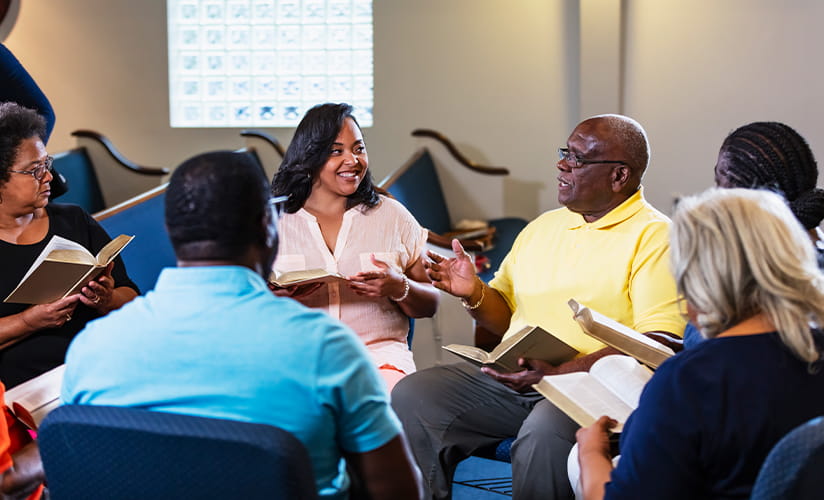
- discussion-based groups with room for conversation
- intergenerational events that foster natural connection
- volunteer opportunities with approachable entry points
- seating arrangements that feel open and inclusive
You don’t need to overwhelm people with activity choices. Long before they join a group, serve on a team, or build close friendships, give them the option to decide whether they simply feel comfortable coming back.
Help People Become Familiar Faces
There is a reason the Cheers TV theme song still resonates decades later: people long for places where they feel recognized, welcomed, and “everybody knows [their] name.”
A third place invites the presence of regulars. Recognition often comes before deep friendship. A simple greeting, repeated over time, builds comfort, trust, and belonging.
Your church can create that familiarity by establishing consistent rhythms and recurring opportunities to gather outside of Sunday services:
- weekly meetups
- shared meals
- parenting groups
- volunteer teams
- youth ministry activities
- Bible studies and recovery groups
- open community spaces during the week
When people encounter one another regularly, relationships develop more naturally.
Design for Conversation
In a world of constant distraction, awkward silence tends to replace what would be a meaningful interaction. Many people spend their days consuming content on a device while feeling increasingly disconnected from the people around them.
As a healthy third place, you could offer something different. Give your people an opportunity to slow down, look up, and engage with one another face-to-face.
Invite conversation by designing an intentional environment that encourages conversation using:
- seating arrangements that support conversation before and after services
- gathering spaces where people can comfortably linger
- flexible environments that adapt to both worship and relationship-building
- pauses during classes or sermons that give an opportunity for people to connect with each other
- small group spaces that help connections form organically
The physical environment cannot create community on its own, but it shapes how people engage within it.
Give Them a Reason to Feel Needed
A shopping mall used to be a gathering place for teenagers sipping Orange Julius smoothies, splitting pretzel bites, and talking for hours about relationships. In salons and barber shops, conversations stretched comfortably across entire afternoons while people shared anecdotes, advice, and pieces of their everyday lives.
The strongest third places offer more than an activity to fill free time. They give people a sense of importance. People want to feel useful.
Your church holds a unique advantage over many traditional third places because it offers purpose alongside community.
People do not only want interaction. Many want meaning. They want opportunities to contribute, serve, grow, and belong to something larger than themselves. They want to know their presence matters.
Your church creates stronger relational cultures when you invite people to participate instead of simply attend. Give them an opportunity to serve. Mentorships, collaborative ministries, and special assignments to serve “the one” help your people feel invested in what you do and how they fit into the picture.
People often bond more deeply when they build something together. Shared purposes have a way of turning attendance into belonging.
Belonging Impacts Spirituality
Human beings were created to be social creatures.
Scripture consistently points people toward shared burdens, shared meals, encouragement, hospitality, and community. You probably know people who go through the motions of life but feel increasingly isolated from others. Chronically lonely people withdraw from social circles and struggle to feel worthy of love. They distrust the motives of those who knock on their door with a plate of cookies. They may hear sermons about love and grace but can’t seem to internalize the meaning. It’s hard to understand belonging to the family of God when you rarely experience belonging anywhere else.
Before people trust theology, they trust people. As a third place, the human interaction that takes place under your guidance often becomes the doorway to spiritual connection. Sometimes the first glimpse people receive of God’s love comes through something deeply ordinary: a smile, being welcomed, remembered, included, and cared for by other people.

How Do Adults Make Friends in a Disconnected World?
Ironically, we hold devices in our back pockets that can connect us to anyone, anywhere in the world, and yet, many people have never felt more disconnected.
People hop on Reddit threads, polling the online world to see what’s wrong with them. They sign up for apps where they (more or less) audition for friendship and acceptance and pay a monthly fee. In a swipe-left-or-right culture, deep down, most people just want somewhere they can belong and contribute.
Your church has an opportunity to offer something rare. Think beyond attendance metrics or conversions and consider offering something valuable to the full human experience. A moment to exhale. A place where people don’t have to earn their acceptance.
Try something radically different. Open your doors and offer a healing balm for the loneliness epidemic. As one of the few remaining third places; you’ll notice the difference. Your people will feel emotionally secure, spiritually supported, and deeply connected to you and the people around them.
Maybe that is what people have been searching for all along.