Are you thinking of giving your worship space a fresh new look using more modern church colors? This article explores how to use color along with modern church design ideas to create a welcoming, versatile retreat for your congregation.
1. Use Modern Church Colors to Create a Cohesive Palette
I’d add a substantive section covering current approaches such as warm neutrals, nature-inspired colors, muted earth tones, deeper accent colors, and the role of wood/stone/fabric in completing a palette. More importantly, I’d explain how to use color rather than just name colors.
Many church buildings already have a heavy amount of wood, brick, stone, cream, beige, and other traditional materials. Don’t fight those elements. They form the foundation of your palette. Modernization comes from introducing color selectively, rather than covering everything with it. Keep the architectural envelope relatively quiet and introduce one or two intentional accent colors. Muted earthtones, greens, dusty blues, warm terracotta, ochre, deeper accent colors like navy, burgundy, or subdued jewel tones can all work depending on the existing finishes.

Use Color Strategically
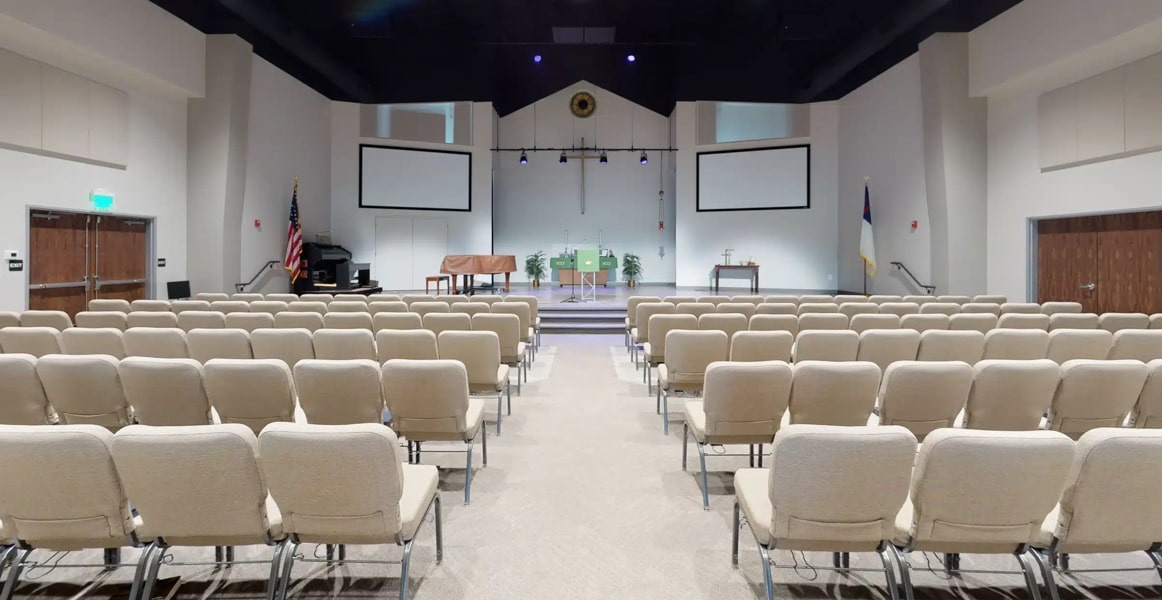
On the stage: The stage or platform offers a natural focal point, so color helps to visually anchor the room. That doesn’t necessarily mean painting the entire backdrop blue. It could be a restrained accent wall, architectural panels, curtains, plants, banners, or even lighting. Create enough contrast to draw the eye forward without competing with what’s happening during worship.
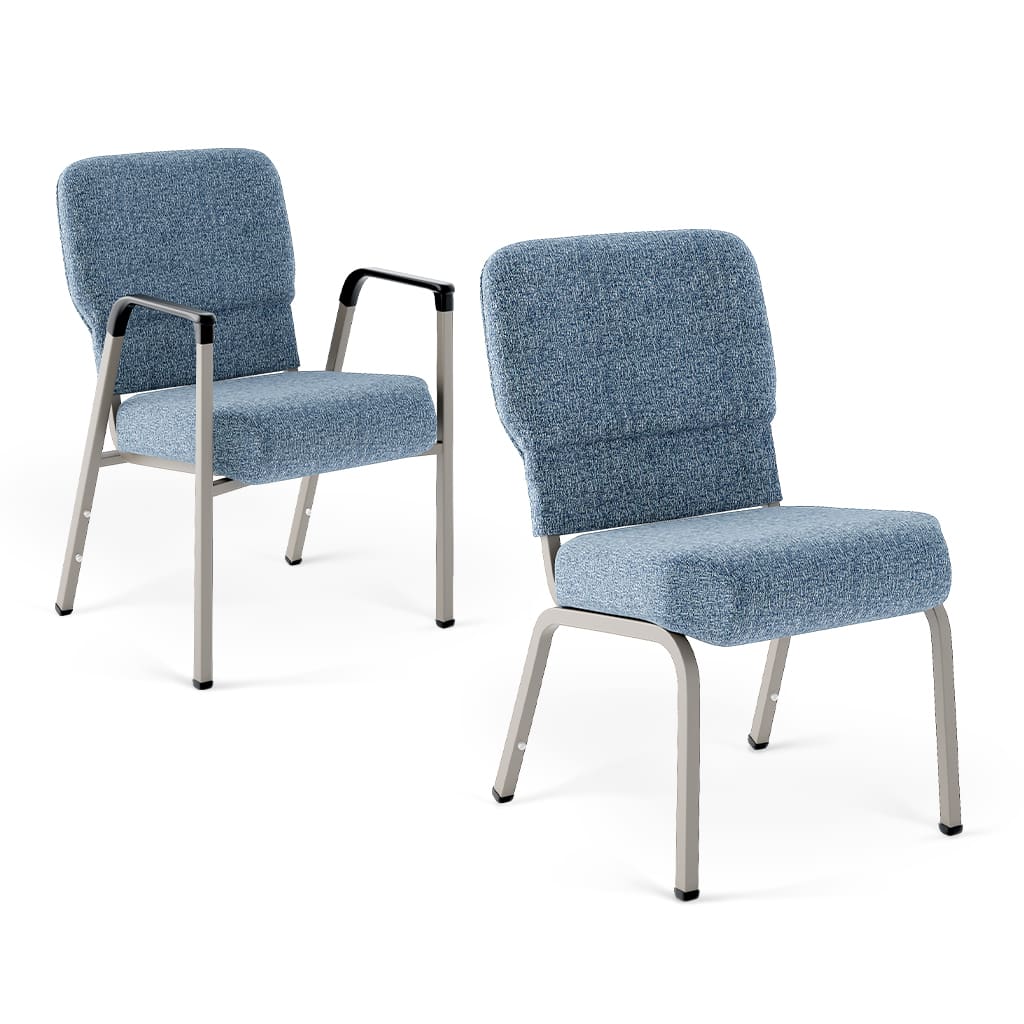
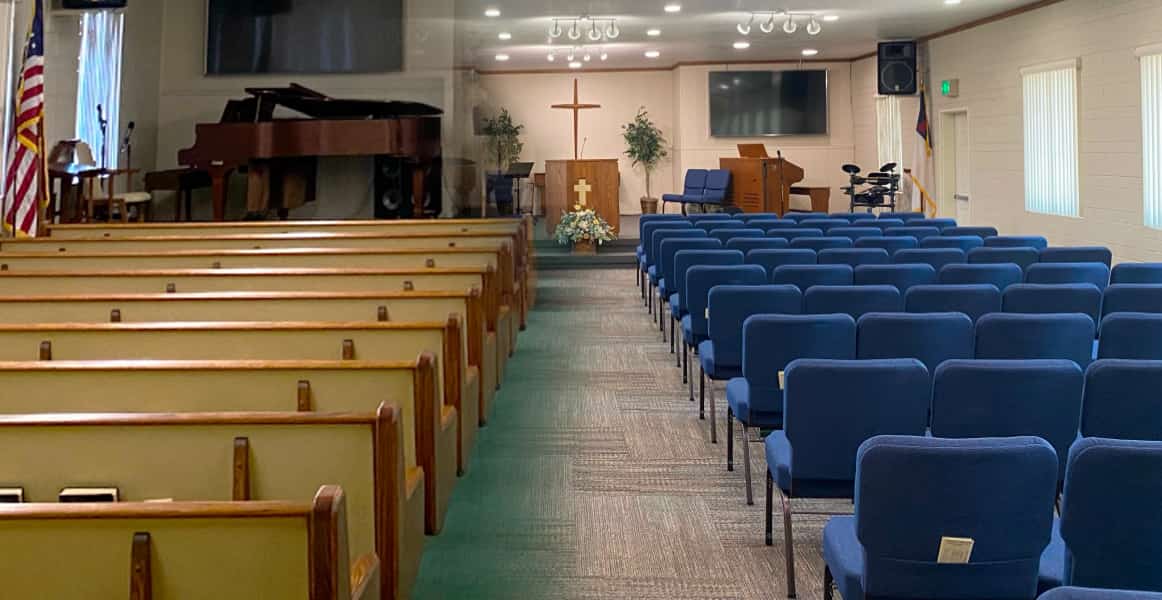
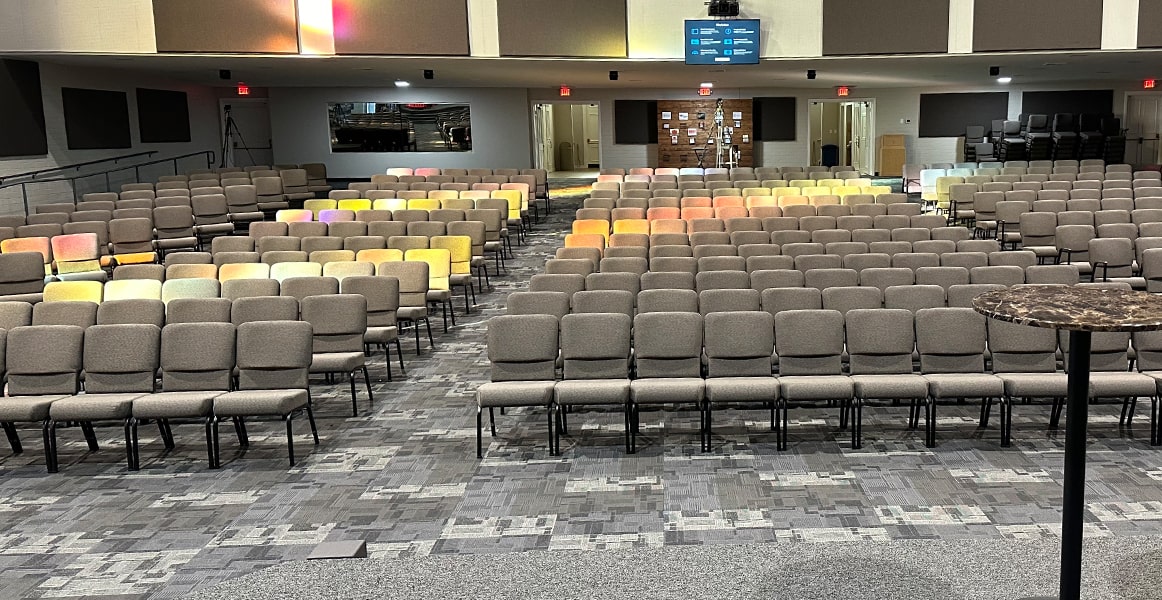
In the seating: Chair fabric can either reinforce the color palette or become the accent itself. Don’t underestimate it. If the room already contains strong visual elements, or stained glass, a warm neutral chair fabric might be the right call. In a plain sanctuary, rows of deep, rich upholstery color add warmth and character without requiring permanent architectural changes. Color introduced through seating is also less permanent than paint or architectural changes.
On an accent wall: An accent wall gives a plain meetinghouse some depth without turning the sanctuary into a Pinterest set. Try to frame something important or establish a visual hierarchy, not simply find an empty wall and paint it teal.
Through art and décor: Add artwork, banners, textiles, seasonal elements, floral arrangements, and other décor to introduce color without committing to a major renovation. They can also reflect the congregation’s identity.
Outside the sanctuary: Your sanctuary is not the only place that could use some attention. Warm colors make a large room feel more intimate. Cooler or quieter tones make a visually busy space feel calmer. Darker colors create depth and contrast. Lighter colors can help a small or dim room feel more open.
You don’t always need a paintbrush to achieve this effect. Texture matters almost as much as hue. A room decorated in one flat color feels predictable, institutional, even. But add warm colors, natural wood tones, textured upholstery, woven tabletop accents and soft lighting to soften the room and increase its appeal.
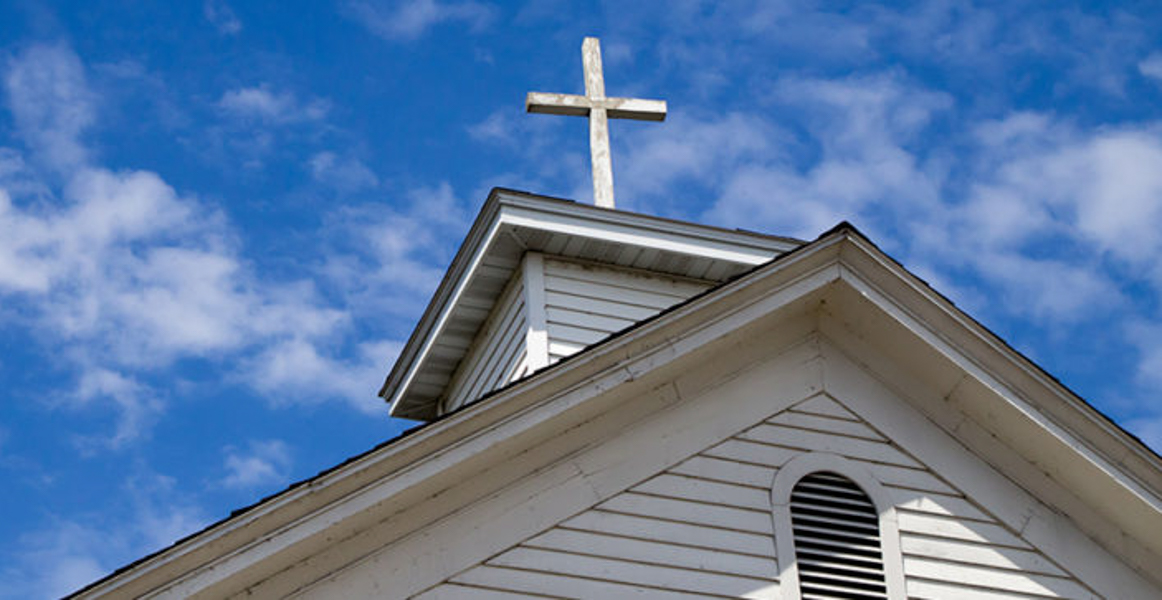
Refresh the exterior: The outdoors offers another place where a little color makes a big difference. Rather than completely changing the character of the building, consider a fresh coat of paint on doors or trim, updated signage, or a contrasting accent color around the main entrance. Even landscaping and colorful planters can brighten a traditional brick or stone exterior. If the building itself needs a bigger refresh, painting exterior brick can create a dramatic transformation at a fraction of the cost.
Modern church colors don’t have to replace traditional materials. They can complement them.

2. Choose Stackable Church Chairs and Flexible Furniture Instead of Church Pews
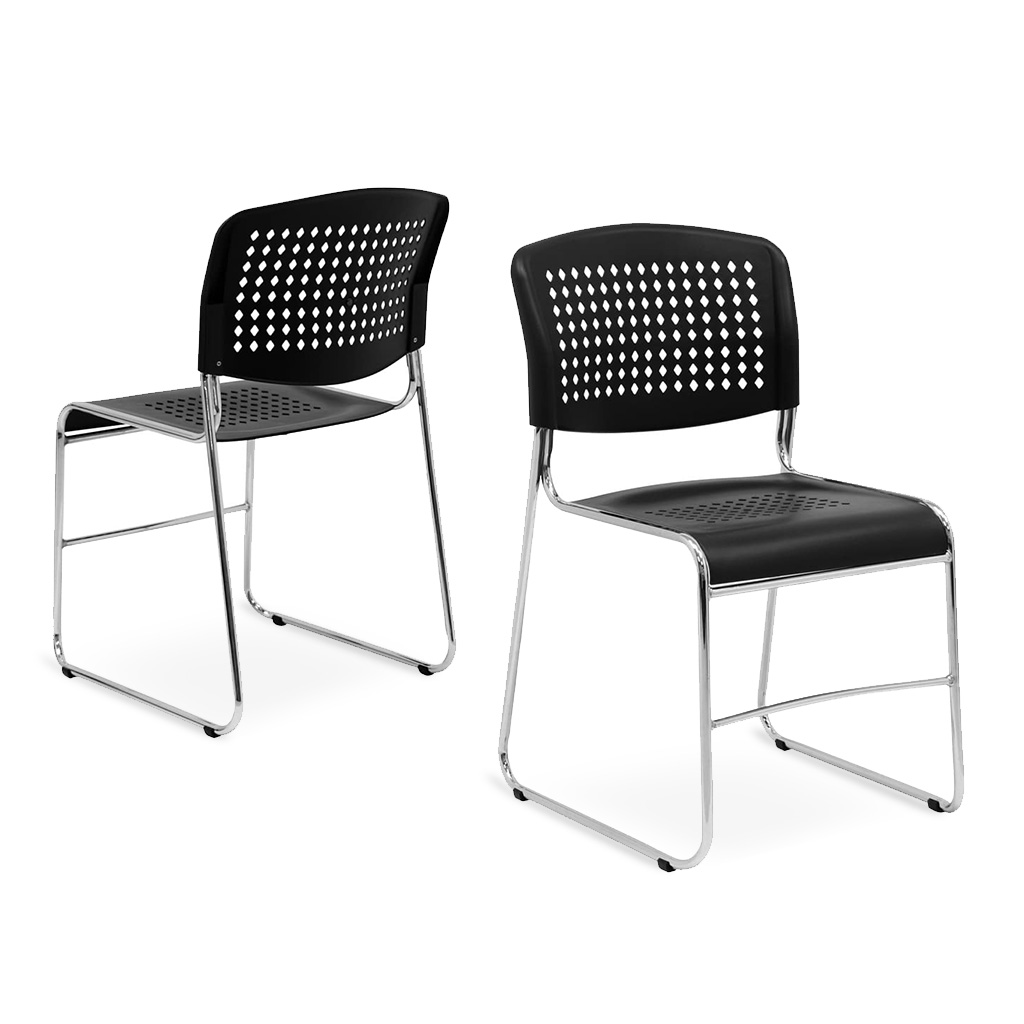
Have you considered replacing your traditional church pews with stackable church chairs? Not only do stackable chairs provide more flexibility in seating arrangements, but they also allow your church to host a variety of events and use the sanctuary as a multipurpose room. If you want to create a more dynamic and inclusive worship space, moveable chairs might be an option for you.
There’s a lot of discussion about why churches replace pews with church chairs, with flexibility often cited as the main incentive. However, that’s only part of the answer. Individual chairs provide clearly defined seating spaces, while padded and upholstered options provide comfortable support during worship services. Church chairs also typically cost less than traditional wooden pews, which may need to be customized and installed to fit the sanctuary.
3. Incorporate Natural Materials and Biophilic Elements Indoors
Bring the outdoors inside! Try incorporating natural elements such as wood, stone, greenery, woven textures, and natural fibers into your church’s decor to create an inviting atmosphere for your congregation. From wooden accents in the sanctuary to a living wall in the foyer, adding natural elements to your church’s design will foster a sense of peace and tranquility. Don’t forget fresh flower arrangements for the sanctuary; fresh flowers add visual interest and a sense of calm and spiritual awakening to church meetings.
4. Design Lighting for Atmosphere and Function
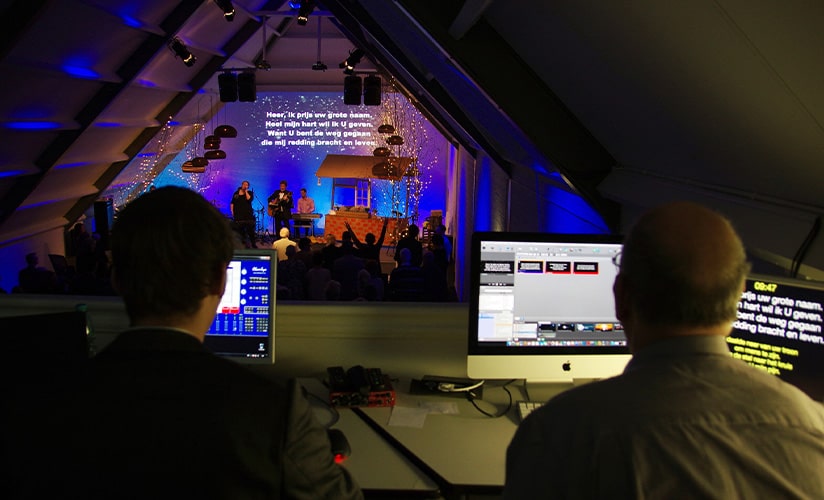
Lighting creates atmosphere. Stark fluorescent lights make a worship space feel cold and sterile, while softer lighting creates a more welcoming environment. Our eyes naturally seek light, so use it intentionally to direct attention toward speakers, performers, architectural features, or the stage. Calm the visual distractions. Thoughtful use of light and shadow adds depth to the room and helps the congregation focus on the message.
5. Integrate Technology into the Room
In today’s digital age, you can’t opt out of technology. From state-of-the-art sound systems to interactive projection screens, find new and creative ways to engage your congregation through technology. Whether you choose to live stream services, embracing technology in your modern church design ideas can help you reach a wider audience and create a more compelling worship experience.
Consider how the room sounds: Good church design looks beyond the aesthetics of the room. Even the best sound system has to work with the acoustics of the room. Hard floors, high ceilings, glass, brick, and other reflective surfaces affect how sound travels through a worship space. As you update finishes and furnishings, be aware that your choices will affect sermons, music, and conversation. Upholstered seating, acoustic panels, curtains, and other sound-absorbing materials manage excess noise and reverberation while complementing the overall design.
6. Create Multipurpose Worship Spaces
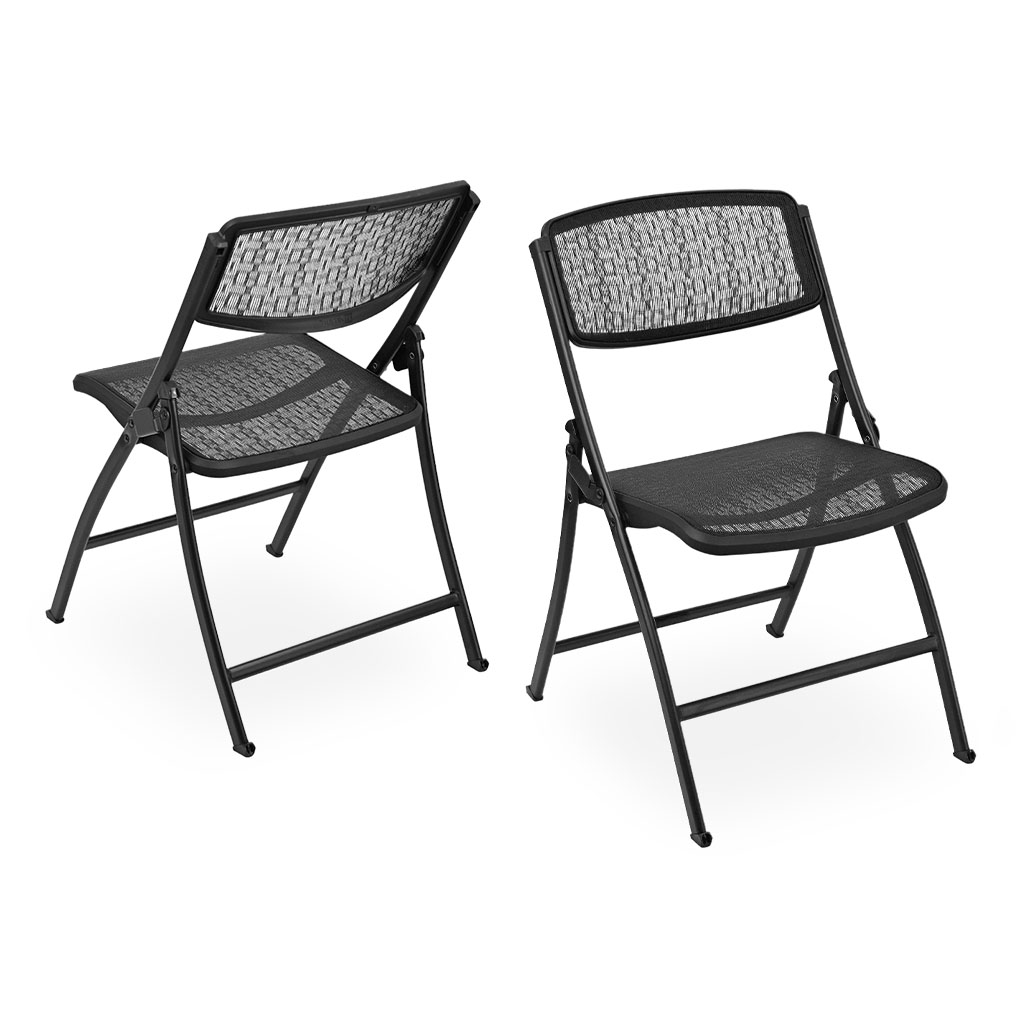
Modern church design replaces rigid layouts with flexible, adaptable spaces. Many churches opt for movable walls, modular furniture, and multipurpose rooms. Purchasing furniture that can be moved easily creates flexible spaces that can be used to host a variety of events, from worship services to community events, and everything in between. By designing spaces that adapt easily to the needs of your congregation, you create a welcoming and inclusive environment for all who enter your church.
Flexible spaces benefit all age groups, from youth groups to the elderly. Try clearing out the church chairs in the sanctuary and rolling in some folding tables for a church bazaar or a children’s fair. For social events, roll in modular couches from the foyer or entry areas and position them around the edge of the space to make room for a dance floor or social.

Needs Funds to Refresh Your Worship Space?
Download our free guide for fundraising ideas that can help bring your vision within reach.
Pairing Modern Church Colors with Furniture and Finishes
You don’t need to remodel the entire church to modernize your worship space. Paint, upholstery, lighting, furniture, layout, and natural materials can all be updated incrementally. Start with the changes that solve real problems for your congregation, then look for opportunities to create a more cohesive design as your space evolves.
Modern church design doesn’t require abandoning the character and traditions that make your worship space familiar. Thoughtful color choices, flexible furniture, better lighting, natural materials, and well-integrated technology help an existing space feel warmer, more functional, and more welcoming.
If you’re considering new seating as part of your church update, Bertolini offers comfortable church chairs in hundreds of fabric options to complement your sanctuary, foyer, classrooms, and other gathering spaces.
Interested in Enhancing Your Worship Space?
Your dedicated sales representative is just a phone call away!